Appsaur.com Pte Ltd is a software development company in Singapore and
we believe the world tomorrow will be powered by mobile applications.
As software developers, we expect our apps to:
1. Bring social good to the community and environment.
2. Improve people’s lives.
3. Be meaningful.
On software projects, we are happy to work with individual, company and corporation.
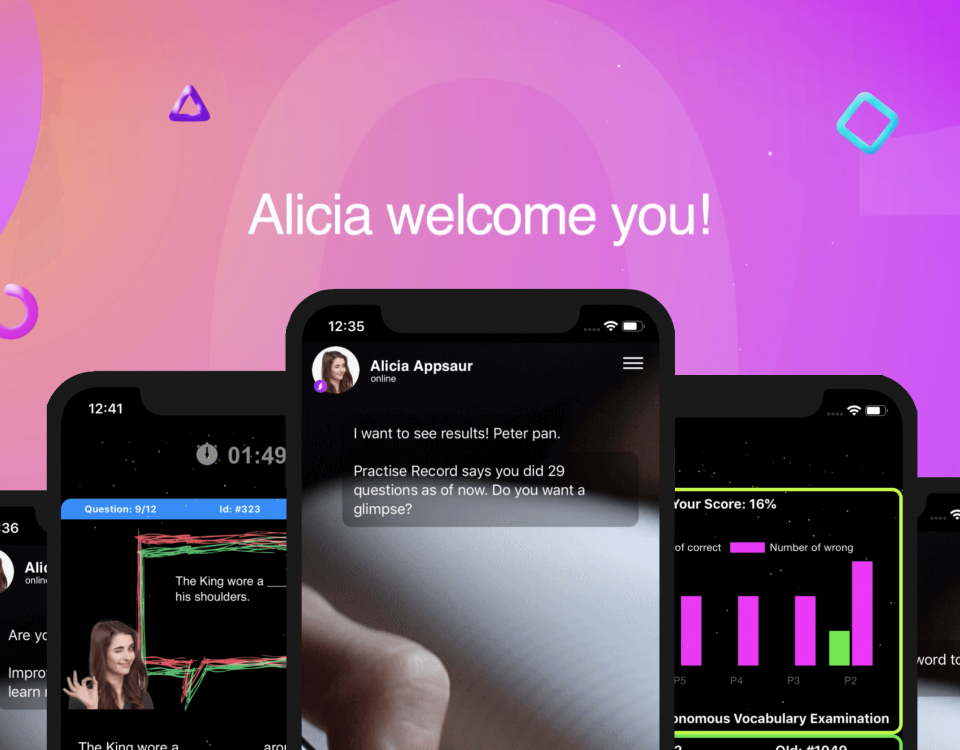
On in-house project, our prototype design AliciaSG uses GCE “O” level English 1128 syllabus and past year exam papers from Secondary to Primary Schools in Singapore.
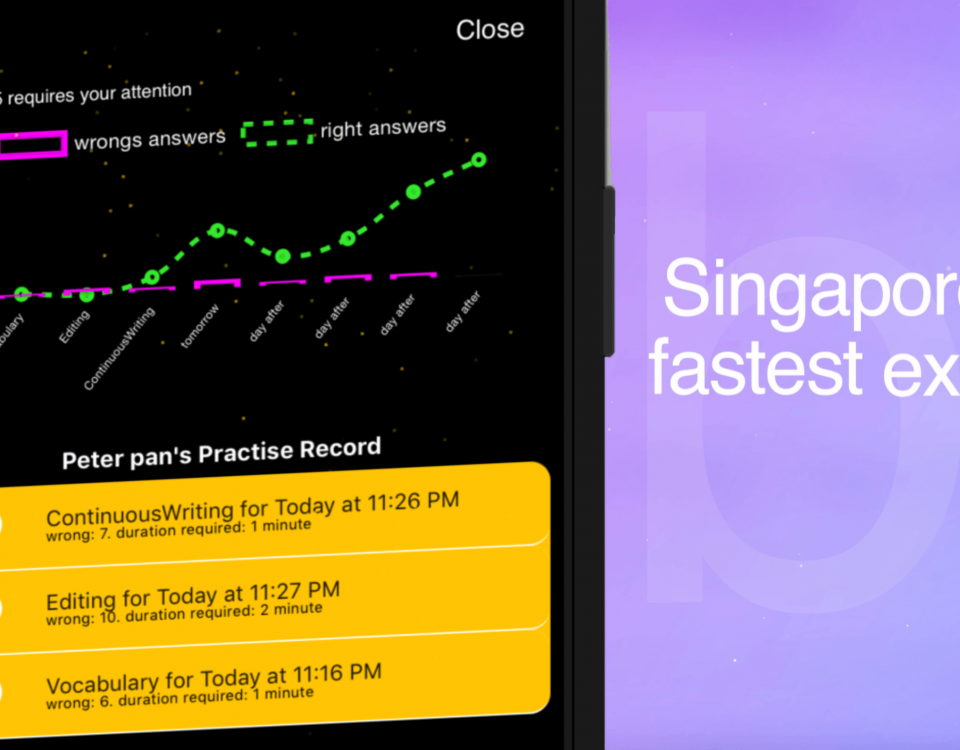
This app uses artificial intelligence and algorithm to assist student in examination preparation.
Exam papers include GCE “O” level’s Section A - Editing, Section B - Situational Writing and Section C - Continuous Writing. Grammar and Vocabulary for PSLE standard and below.
Alicia examine student’s proficiency during an English test.
Based on the result, Alicia will prepare and automatically assign suitable exam paper.
Past year exam papers includes the following level: Primary One, Primary Two, Primary Three, Primary Four, Primary Five, Primary Six, Secondary One, Secondary Two, Secondary Three and Secondary Four.
Thank you for reading and looking forward to work with you!


Spaced repetition | Operant conditioning
Hermann Ebbinghaus (1885) B.F Skinner (1938)

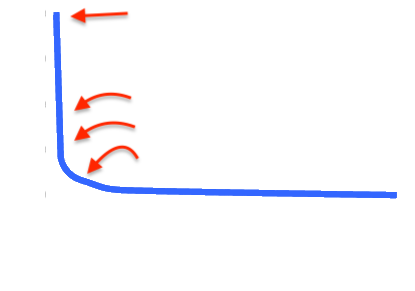

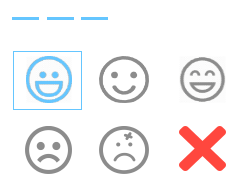
Spaced repetition
Traditionally the user has to schedule physical flashcards; this is time-intensive and limits users to simple algorithms.
With the use of artificial intelligence, this process will be autonomous and helps to eliminate the time waste in preparing physical flashcards

physical flashcards

physical flashcards

physical flashcards

physical flashcards

physical flashcards

physical flashcards

physical flashcards

physical flashcards

physical flashcards

physical flashcards

physical flashcards

physical flashcards

physical flashcards
physical flashcards

physical flashcards

physical flashcards

physical flashcards

physical flashcards

physical flashcards

physical flashcards

physical flashcards

physical flashcards

physical flashcards

physical flashcards

physical flashcards

physical flashcards
Talk to a Human (Today)

Appsaur.com Pte Ltd

Contact Us!
We are ready for a heart to heart talk